
Newsletter Volume 2 No.3 September-October 2026
On 26 August 2026 Nepal experienced colossal catastrophe. At 8:37 AM, seismographs recorded a 5.2 magnitude event on the Nepal-Tibet border. But there was no earthquake. The US Geological Survey later corrected its data: "This was instead a glacial collapse and debris flow... that caused catastrophic impacts downstream". In reality, the mountain itself had crumbled. Ice, rock, and permafrost that had acted as a geological glue for thousands of years finally gave way. A hanging glacier below Tsangbu Ri, near Langtang Lirung, detached from an altitude of 5,200 metres and plummeted 1,200 metres into the Lhende Khola valley.
The downstream consequences were immediate and catastrophic:
This is not an isolated incident. The same Lhende Khola–Bhote Koshi–Trishuli–Gandak river system that devastated Nepal drains directly into the densely populated plains of Bihar and Uttar Pradesh.
For India, the 2021 Chamoli disaster—where 30 million cubic meters of rock and ice destroyed two power projects—was merely a trailer. Today, the Indian Himalayas house over 4,000 glacial lakes, with more than 300 flagged as high-risk. Yet, only 7 out of 38 monitored glaciers meet global observation standards. Villages across Uttarakhand, Himachal Pradesh, Sikkim, and Arunachal Pradesh sit precariously in the exact same funnel-shaped valleys that spelled doom for Nepal's Timure and Syaprubesi.
Despite these clear warnings, regional development continues to ignore ecological reality. The Nepal flood knocked out 431 MW of electricity because 13 hydropower plants were built directly in the flood path. India is repeating these identical mistakes: drilling hydropower tunnels in the Joshimath subsidence zone, cutting highways into fragile slopes, and building resorts on the riverbanks of Dharali—a town already wiped out in 2025 by similar forces.
by Brajesh Singh Kirar
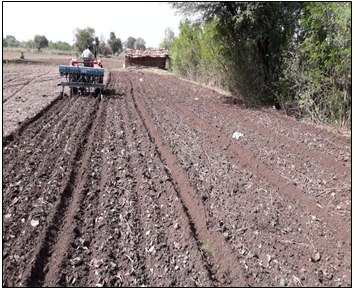
Broad Bed Furrow technology is helping farmers in Vidisha manage both too much and too little rainfall. Instead of keeping the field completely flat, Broad Bed Furrow (BBF) reshapes it into raised beds, generally 90–120 cm wide, separated by shallow furrows. The result is a field made up of long raised beds and channels.
Broad Bed Furrow (BBF) is a land shaping technique used mainly in rainfed/black cotton soil areas. Instead of flat land, raised beds 90-120 cm wide with shallow furrows between them are made. So the field looks like a series of long beds with channels.
Object of This Technique: The primary objective of this technique is to protect Kharif crops from condition of excessive rainfall and drought, while also conserving water.
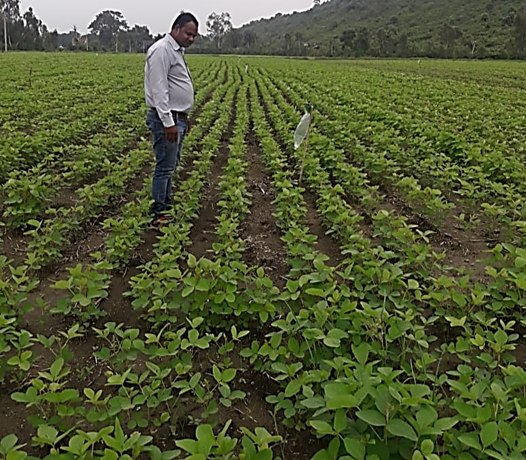
Cover Crop - Soybean & Maize
Coverage area in Vidisha district - Due to the increased promotion and dissemination of this technology by NCHSE over the past few years, there has been a rise in its adoption by farmers. As on date, a total of 8,750 farmers has adopted this technology across an area of 15,890 hectares.
Impact of this technology - This technique primarily mitigates the adverse effects of rainfall deficits or excess on soybean crops; improves air circulation within the crop canopy leading to a reduction in disease incidence. A yield increase of 1.5 to 2 quintals per hectare has been observed, alongside a reduction in costs—specifically regarding seed quantity, nutrient application, and associated expenses.
A two-acre experiment in Sehore district reveals both the promise of organic cultivation and the economic gap that still has to be bridged
By Y.S. Rajput
The National Centre for Human Settlements & Environment (NCHSE) is spearheading a Climate-Smart/Resilient Agricultural Practices programme across 21 districts of Madhya Pradesh. This initiative covers 300 villages across the blocks of Ichhawar, Astha, Budni, Nasrullaganj, and Sehore District.
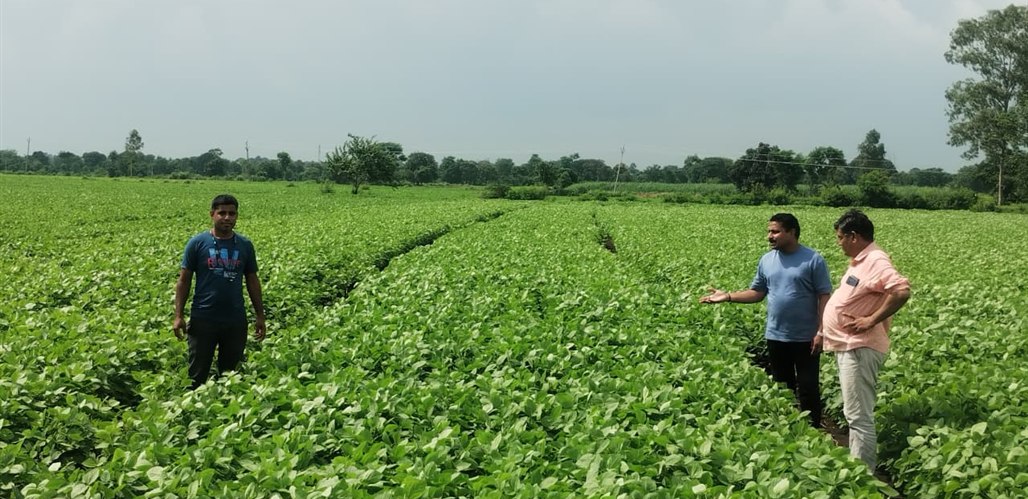
The primary objective of this programme is to equip farmers with a blend of climate-smart technologies that reduce costs, minimize risks, improve crop yields, and boost resilience against climate change. As part of this push for improving soil health, a targeted pilot program across 20 villages has successfully transitioned 45 farmers to manage 30 acres of land using organic practices.
Mr. Narayan Verma of Sehore serves as a model progressive farmer under this initiative. By converting 20% (2 acre out of total landholding of 10 acre) to organic farming, he aims to maintain soil health, optimize resource efficiency, and steadily decrease his reliance on synthetic agricultural chemicals.
Mr. Verma has transitioned from a mono-cropping mindset to a highly diversified cropping system optimized across seasons to ensure steady income diversification and resource utility:
Organic Input Matrix
To protect and feed his 2 acres of organic soil, Mr. Verma completely swaps out synthetic inputs for a customized bio-input regime:
The entire production cycle is strictly regulated—from systematic field preparation and seed treatment to strategic weeding, precise irrigation scheduling, and post-harvest quality management.
Outcome reflects a clear trade-off between instant economic yield (Chemical) and long-term ecological investment (Organic):
| Method | Cost of production (₹/acre) | Yield (Quintal/acre) | Market Rate (₹/Quintal) | Net Income (₹/acre) | |
|---|---|---|---|---|---|
| Kharif Season | Organic | 14,500 | 5 | 5,300 | 12,000 |
| Chemical | 12,000 | 6.5 | 5,300 | 22,450 | |
| Rabi Season | Organic | 12,000 | 16 | 2,585 | 29,360 |
| Chemical | 10,500 | 20 | 2,585 | 41,200 | |
While chemical farming shows short-term financial dominance, Mr. Verma’s organic model acts as a vital buffer for long-term climate resilience, sustainable resource management, and soil preservation. To bridge the economic viability gap and make organic farming highly competitive, the case study highlights three critical action points:
By Deependra Singh Thakur
In the 19th century, the water situation in the Kota region (historically part of the Hadoti region) was significantly more secure and abundant compared to the hyper-arid desert regions of western Rajasthan, despite sporadic droughts. Under the reign of Maharao Ram Singh II (1827–1860), water conservation, tank embankments, and stepwell (baori) construction in the Kota region provided such water security. The state treasury often provided partial funding or tax concessions to villages that successfully constructed tanks to store rain water. Instead of employing expensive, stone-only masonry across the entire reservoir perimeter, local builders utilized an earthen bund (earth-fill dam) by packing dense local clay, soil, and gravel together, they created embankments to block seasonal monsoon runoffs from local streams for use during dry months. These tanks were often constructed near a temple or often a shiva temple was constructed along a tank. It ensured that the water body was treated as sacred. This naturally prevented contamination, discouraged over-exploitation, and instilled a community duty to maintain the structure. The stone ghat allowed devotees to perform mandatory cleansing rituals before entering the temple precinct.
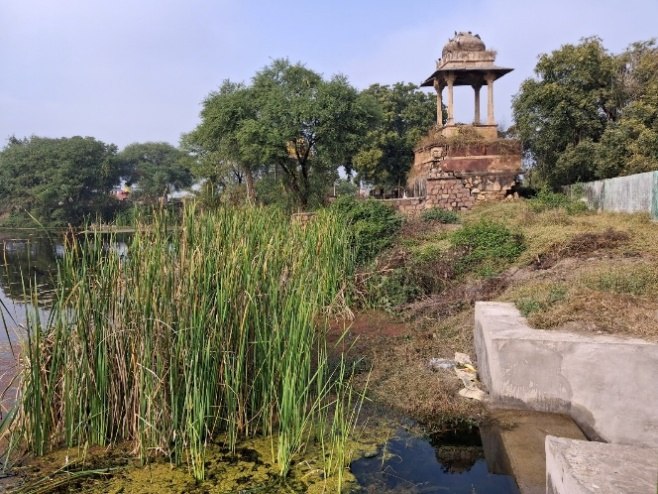
One of such historical pond/tanks was constructed during 1827-1860 in Digod village under Sultanpur Block of Kota district. A Shiva temple was constructed on one side of the pond, which provided water security and served religious purposes. However, due to lack of maintenance over a long period, the embankment had breached, preventing rainwater from being retained, situation that affected agricultural practices and water availability for cattle and wild life.
NCHSE under the ITC Mission Sunehra Kal programme renovated this pond by removing deposited silt of about 2,000 cum and constructing a concrete waste weir during 2025-26. Now the tank water storage capacity has increased to 6,096 Cum. The water of the tank now being used for irrigation of crops in 12.19 Ha area benefitting 29 farmers.
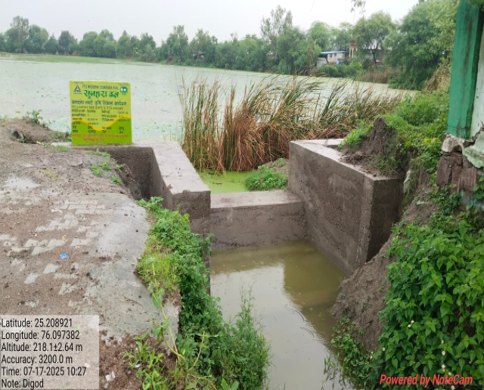
Now the intervention provides additional benefits as under:
द्वारा : दीक्षा सिंह एवं सुभाष राउत
ग्रामीण महिलाओं को स्वयं सहायता समूहों (SHGs) के माध्यम से संगठित कर उन्हें प्रशिक्षण, कौशल विकास, वित्तीय सहायता और स्वरोजगार के अवसरों से जोड़ना DAY-NRLM जैसे कार्यक्रमों का एक महत्वपूर्ण उद्देश्य है। इन प्रयासों के माध्यम से कृषि एवं कृषि-संबंधित गतिविधियों के साथ-साथ पशुपालन, खाद्य प्रसंस्करण, सिलाई, छोटे व्यवसाय तथा अन्य स्थानीय उद्यमों को भी आजीविका के वैकल्पिक साधनों के रूप में बढ़ावा दिया जाता है।
मशरूम उत्पादन भी ऐसी ही एक गतिविधि है, जिसे कम स्थान और अपेक्षाकृत कम लागत में शुरू किया जा सकता है। उचित प्रशिक्षण, तकनीकी मार्गदर्शन और बाजार से जुड़ाव के माध्यम से यह ग्रामीण महिलाओं और स्वयं सहायता समूहों के लिए अतिरिक्त आय तथा स्वरोजगार का अवसर बन सकता है। ICAR सहित विभिन्न संस्थानों के प्रयासों में भी मशरूम उत्पादन को ग्रामीण महिलाओं की आजीविका को मजबूत करने वाली गतिविधि के रूप में प्रोत्साहित किया गया है।
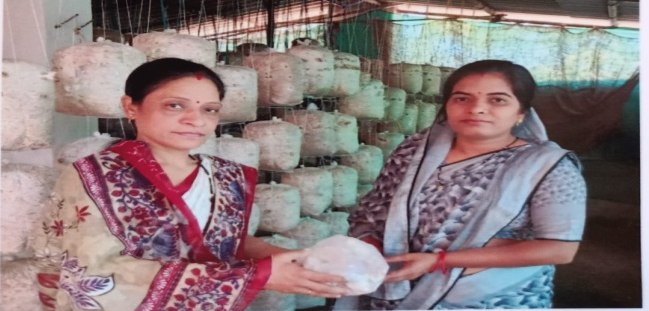
कभी परिवार की घटती आय और बढ़ते कर्ज की चिंता से जूझ रहीं बालाघाट की सरिता नेवारे ने आज अपने घर को ही एक छोटे उद्यम में बदल दिया है। मशरूम उत्पादन ने न केवल उनके परिवार की आय में योगदान दिया, बल्कि उनमें आत्मनिर्भरता और उद्यमिता का नया विश्वास भी पैदा किया है। स्नातक तक शिक्षित सरिता विवाह के बाद एक कृषि परिवार का हिस्सा बनीं। कुछ वर्षों तक परिवार की आर्थिक स्थिति सामान्य रही, लेकिन पति की ऑटो पार्ट्स की दुकान बंद होने के बाद खेती ही आय का मुख्य स्रोत रह गई। बढ़ते आर्थिक दबाव के बीच सरिता परिवार की आय बढ़ाने और स्वयं भी आर्थिक रूप से आत्मनिर्भर बनने के अवसर की तलाश में थीं।
इसी दौरान ITC Mission Sunehra Kal के अंतर्गत बालाघाट जिले में NCHSE द्वारा संचालित MED-Drive उनके लिए बदलाव का अवसर लेकर आया। सरिता ने मशरूम उत्पादन में रुचि दिखाई और 30 दिसंबर 2025 को कृषि विज्ञान केन्द्र, बड़गांव में आयोजित ऑयस्टर मशरूम उत्पादन प्रशिक्षण में भाग लिया। प्रशिक्षण के बाद उन्होंने इंतजार नहीं किया। अपने स्वयं सहायता समूह से ₹50,000 की CCL के तहत ऋण प्राप्त कर उन्होंने घर से लगभग 500 बैग में ऑयस्टर मशरूम का उत्पादन शुरू किया। उन्होंने स्थानीय स्तर पर उपलब्ध गेहूं के भूसे का उपयोग किया और लगभग ₹12,000 के अनुमानित उत्पादन खर्च में अपनी पहली फसल तैयार की। लेकिन सरिता की असली उद्यमशीलता केवल उत्पादन तक सीमित नहीं रही। उन्होंने बाजार की जरूरत को समझते हुए घर से सीधे ग्राहकों को बिक्री की, स्थानीय बाजारों में उत्पाद पहुँचाया और आसपास के होटलों से संपर्क कर नियमित आपूर्ति शुरू की।
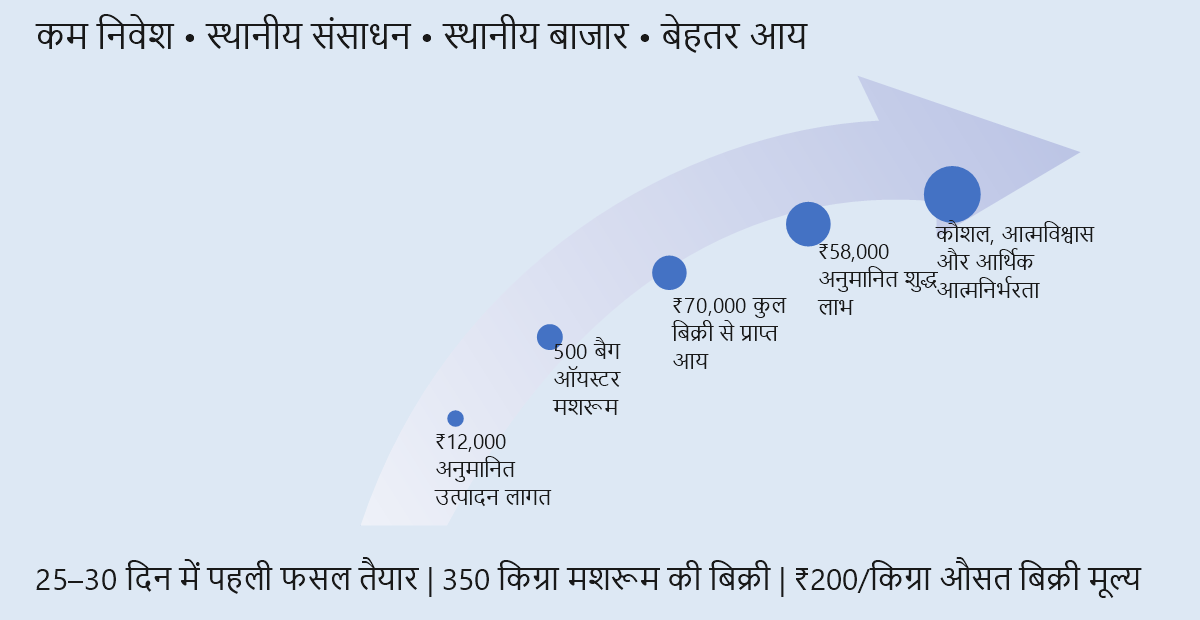
लगभग 25–30 दिनों में पहली फसल बिक्री के लिए तैयार हो गई। सरिता ने करीब 350 किलोग्राम मशरूम ₹200 प्रति किलोग्राम की दर से बेचकर ₹70,000 की कुल बिक्री की और उत्पादन लागत घटाने के बाद लगभग ₹58,000 का शुद्ध लाभ अर्जित किया। “प्रशिक्षण ने मुझे केवल मशरूम उगाना नहीं सिखाया; इसने मुझे अपना काम शुरू करने का आत्मविश्वास दिया।” सरिता की कहानी इस बात का उदाहरण है कि सही प्रशिक्षण, वित्तीय सहयोग, स्थानीय संसाधन और बाजार से जुड़ाव मिल जाए तो ग्रामीण महिलाएँ छोटे स्तर से भी सफल उद्यम खड़ा कर सकती हैं। उनकी यात्रा एक प्रशिक्षण से शुरू हुई, लेकिन आज यह कौशल, आत्मविश्वास और आर्थिक आत्मनिर्भरता की कहानी बन चुकी है।
Editors: Dr. Pradip Nandi & Dr. Lokendra Thakkar Published by: National Centre for Human Settlements and Environment (NCHSE), E-5/A, Girish Kunj, Arera Colony, Bhopal - 462016 (M.P.) Email: nchsebpl@gmail.com, Website: www.nchse.org |
Copyright © 2025 NCHSE. All rights reserved.
Disclaimer: The information provided on this Newsletter is for general informational purposes only. NCHSE assumes no responsibility for errors or omissions in the content or for any actions taken based on the information provided. |